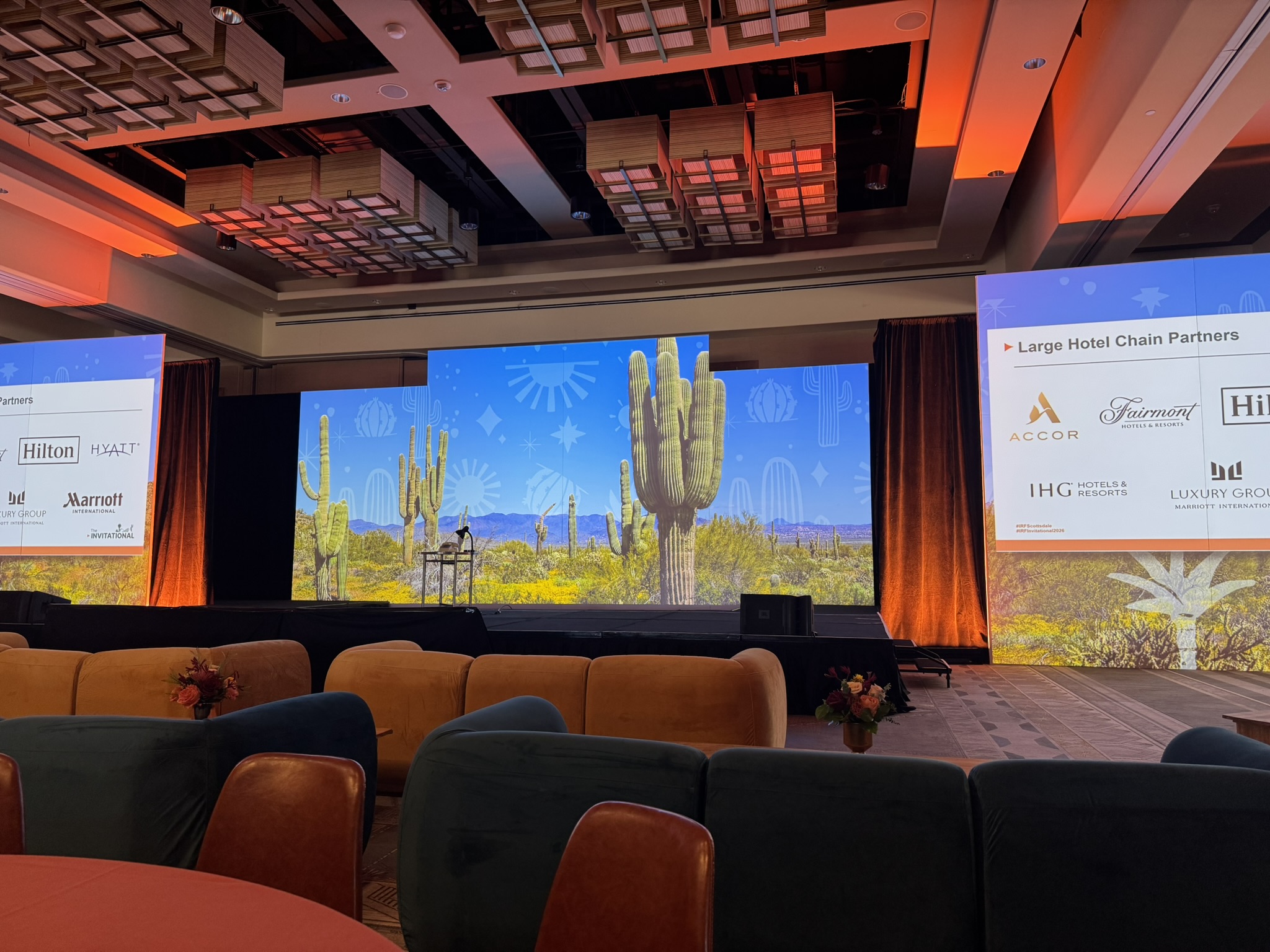
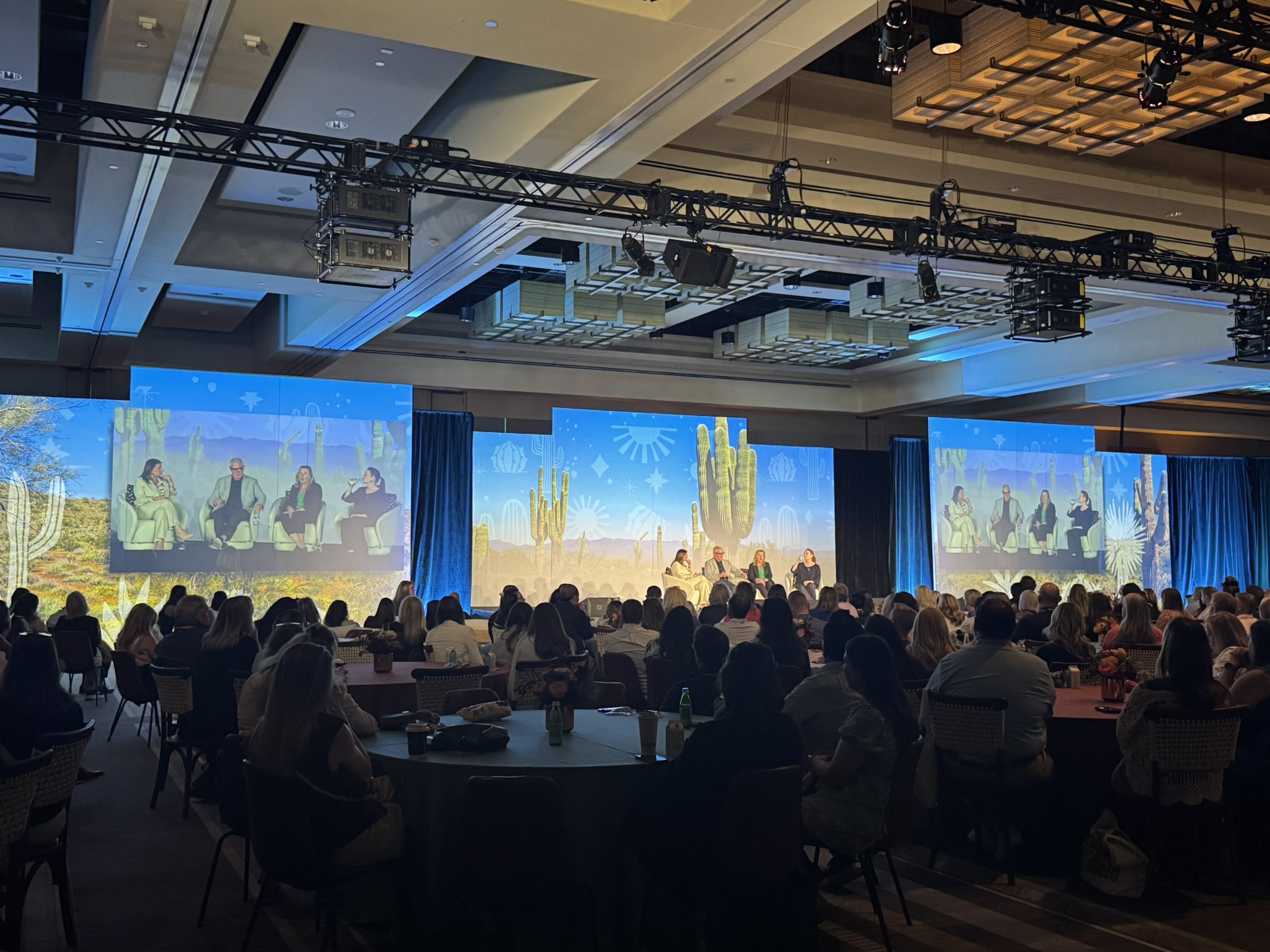
One of my biggest takeaways from the IRF conference was not that incentive travel is changing someday. It’s that the shift is already here.
Attendees want reward trips that feel personal. Companies need incentive trips that connect back to their business goals. Procurement and leadership teams are asking harder questions. And planners are being challenged to design programs that are memorable and meaningful.
The location still matters. So do the hotel, the food, the gifting, the service, and the moments people talk about on the flight home.
But the question is no longer, “Is it a great trip?” The better question is, “Are we designing the program to do what it needs to do?”
That’s the question clients, leadership teams, and planners need to ask from the start, not after the program is over.
Define Success Before You Design the Trip
Every incentive trip exists for a business reason.
It may be to increase sales, retain top performers, recognize service excellence, strengthen channel partner loyalty, motivate brokers, or further build an emotional connection with the company or brand. A sales audience may be motivated differently than a service team. First-time qualifiers will view the program differently than repeat winners. Channel partners may value different things than internal employees.
The objective should guide the program from the start, before anyone falls in love with a destination or a great welcome amenity.
Before selecting the destination, building the agenda, or planning the gifting strategy, we should ask:
- What behavior are we trying to influence?
- What do we want attendees to think, feel, or do afterward?
- How will we know if the trip was successful?
When the objective is clearly defined, the program becomes stronger. The location, communication, agenda, experiences, and measurement strategy can all work together with purpose.
Measuring on Vibes Does Not Work Anymore
For years, trips have been measured primarily through post-trip feedback. Did attendees enjoy the hotel? Were the meals, activities, and events well received?
Those questions are useful, but they only look at part of the story. They tell us whether the program was executed well. They don’t tell us whether it created value.
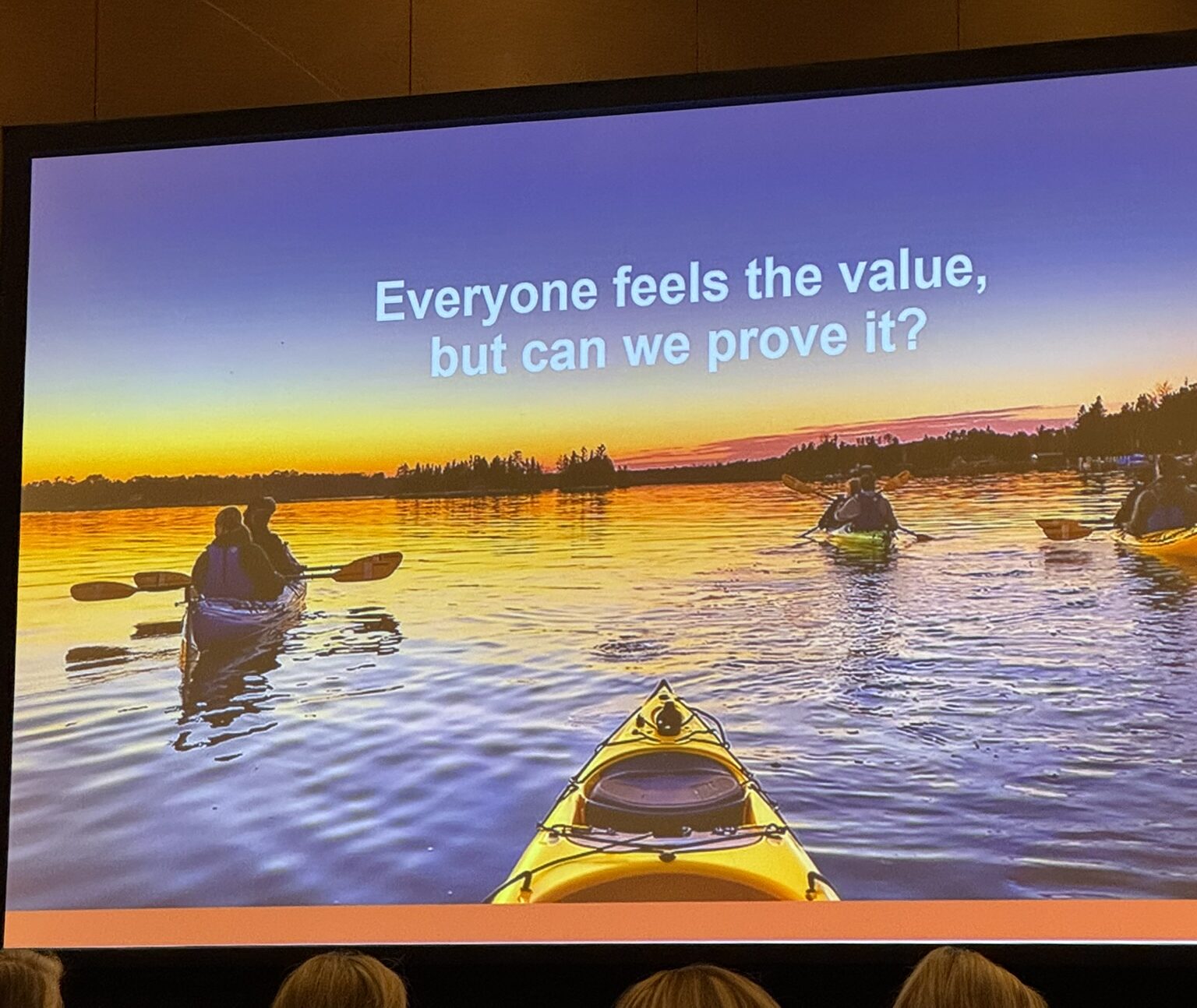
A well-run program can and should deliver a great attendee experience, but true value goes further. The stronger questions are: Did attendees feel connected? Are they motivated to qualify again? Did the experience support retention, performance, engagement, or advocacy? Did the experience strengthen loyalty?
A strong survey score matters, but as much as we love hearing “everyone had a great time,” that is not a full measurement strategy. If we only measure satisfaction, we risk missing the real impact.
That doesn’t mean every incentive trip needs a complicated ROI model. But it does mean we should be strategic about defining success before it begins.
Design for the Audience, Not the Average Attendee
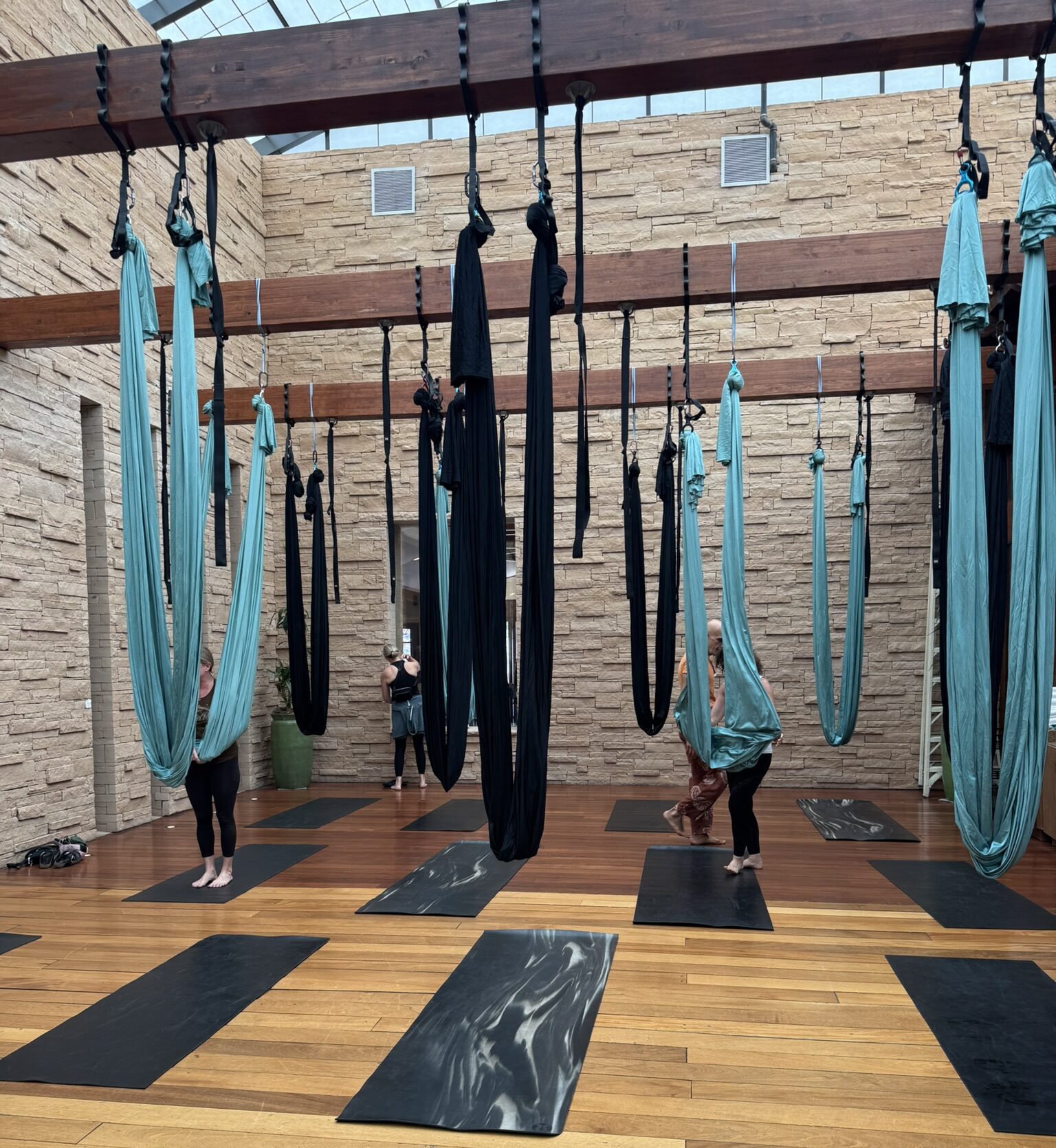
We can no longer assume one agenda, one pace, or one version of luxury will motivate everyone in the room. Not everyone wants sunrise yoga. Not everyone wants another late-night reception. Some people just want a few hours to themselves.
Many programs now need to motivate Boomers, Gen X, Millennials, and Gen Z at the same time. They may all value recognition, but they may not want to experience that recognition in the same way. For some attendees, value may come from luxury, exclusivity, and the ability to bring a guest. For others, it may come from wellness, flexibility, authentic local experiences, personal growth, or having more control over their time.
Customization is not a future trend. It is already part of the expectation, and one-size-fits-all agendas are becoming less effective. That does not mean every program needs to be fully individualized. It does mean incentive design needs flexibility and audience awareness. That may look like agenda choices, wellness-forward experiences, local connection, personalized gifting, flexible downtime, or attendee input before the destination or program elements are finalized.
The next generation of qualifiers are not just asking, “Where are we going?” They are asking, “Is this relevant to me?” That is the shift planners and clients need to design around.
Gorgeous Doesn’t Always Mean Go
Destination selection is more complex now. The old approach may have started with, “Where does leadership want to go?” The stronger approach is, “What destination best supports the objective and the audience?”
Safety, perception, air access, flight time, weather, cost, activities, and geopolitical concerns are all becoming part of the decision. For some clients, especially in financial and insurance sectors, security approval may be a major factor before a destination can move forward.
That means recommendations need to do more than showcase beautiful hotels and exciting activities.
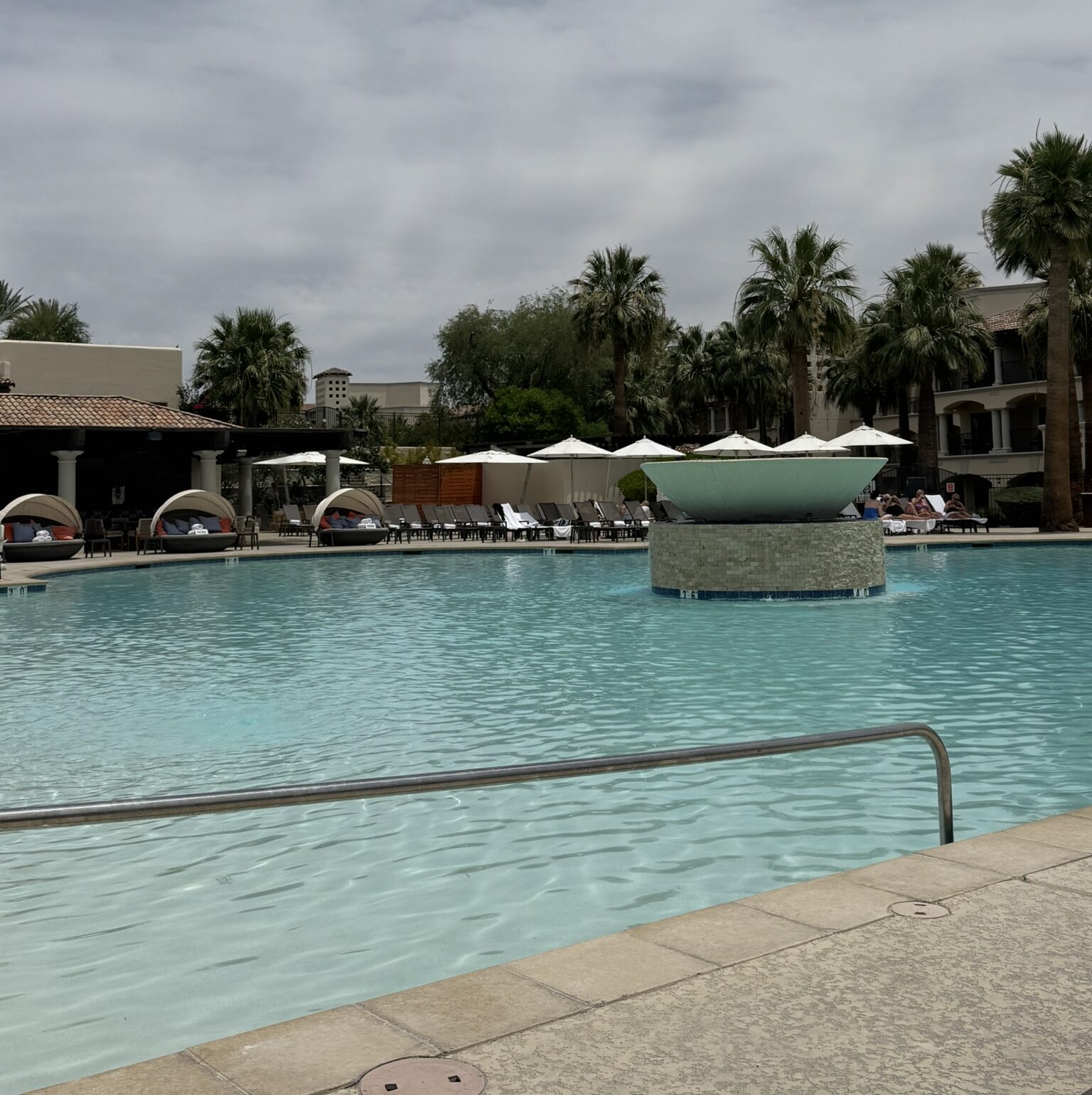
A destination can be beautiful and still not be the right choice. It has to work beyond the online photos – operationally, financially, emotionally, and strategically. It needs to be realistic for the audience, aligned with the program goals, and motivating enough to drive qualification.
This is where strong planning partners can add real value. The best recommendations are not just attractive. They are thoughtful, audience-specific, and backed by context.
What Happens Next
The future of incentive travel is not about adding more just for the sake of more.
It’s about better alignment between the objective, the audience, the measurement strategy, the destination, and personalization.
A successful incentive should be memorable, but it should also be meaningful. It should make attendees feel recognized, but it should also connect back to the reason it exists. For clients, that means defining success earlier and being clear about what the program needs to achieve. For planners, that means asking better questions, challenging assumptions, and designing experiences that support both the attendee and the business objective.
The real benefit of incentive travel is not only what happens onsite. It’s what happens next.